Vietnam Travel Guide
History Museum of Ho Chi Minh City – Where History Comes Alive

Jul
Embark on a captivating journey through time with saigon tours at the History Museum of Ho Chi Minh City. Nestled in the heart of the bustling metropolis, this museum offers a vivid portrayal of Vietnam’s rich heritage, from ancient civilizations to the modern era. With meticulously curated exhibits and fascinating artifacts, the museum serves as a vibrant gateway to understanding the profound historical and cultural evolution of Vietnam.
An Overview of History Museum of Ho Chi Minh City
The History Museum of Ho Chi Minh City, established in 1929, stands as a testament to Vietnam’s rich and diverse past. Housed in a beautifully preserved French colonial building, the museum offers an extensive collection of artifacts and exhibits that chronicle the nation’s history from prehistoric times through the Nguyễn Dynasty and beyond.
Visitors can explore various themed galleries showcasing ancient relics, traditional costumes, historical documents, and intricate artworks. The museum not only provides a comprehensive overview of Vietnam’s cultural and historical evolution but also offers educational programs and guided tours to enhance the visitor experience.
As a cultural landmark in Ho Chi Minh City, it serves as a crucial resource for both locals and tourists eager to delve into Vietnam’s storied past.
The History of History Museum of Ho Chi Minh City
The History Museum of Ho Chi Minh City, originally known as the Blanchard de la Brosse Museum, was founded in 1929 during the French colonial period. Its establishment was part of a broader effort by the French to document and showcase the rich cultural heritage and history of Vietnam and other regions within Indochina.
Initially, the museum’s collections focused on the ethnographic and archaeological finds from southern Vietnam, including artifacts from the Sa Huynh, Champa, and Oc Eo cultures. Over the years, the museum’s scope expanded significantly, and it was renamed the National Museum of Vietnam in 1956 after the country gained independence. Following the reunification of Vietnam in 1975, the museum was given its current name, the History Museum of Ho Chi Minh City, to better reflect its broadened mission of preserving and showcasing the history and cultural heritage of Vietnam as a whole.
Today, the museum boasts an impressive array of over 40,000 artifacts that span Vietnam’s history from prehistoric times to the modern era. The exhibits are organized chronologically and thematically, providing visitors with a detailed and immersive experience. Highlights include ancient stone tools, bronze drums, imperial costumes, and religious statues. The museum also places a strong emphasis on educational outreach, offering a range of programs, guided tours, and interactive exhibits to engage visitors of all ages.
What to Expect while visiting History Museum of Ho Chi Minh City
Explore Vietnamese History in display area
The History Museum of Ho Chi Minh City offers a compelling journey through Vietnamese history, meticulously organized in its display areas.
Vietnamese History from Prehistoric Times to the Nguyen Dynasty display area
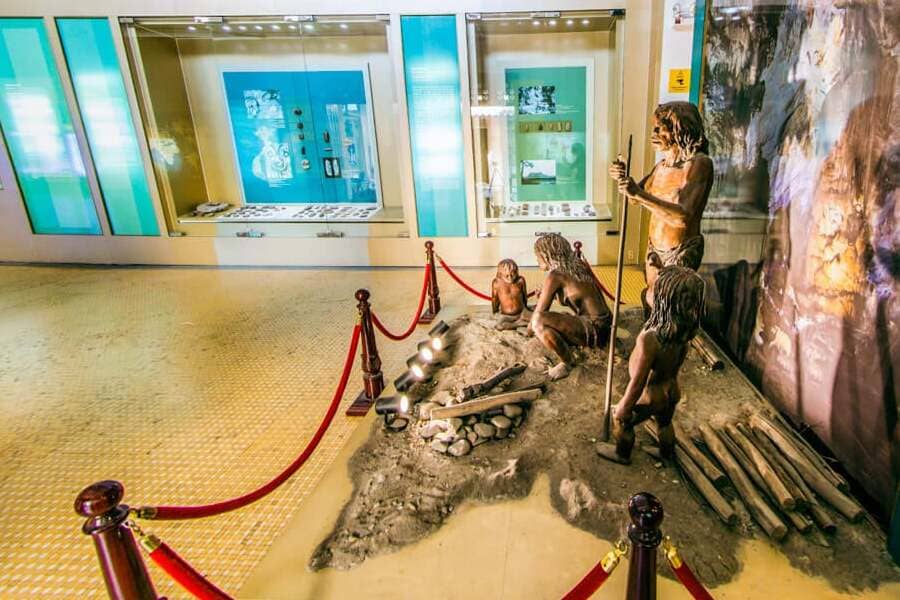
One of the prominent sections is dedicated to the timeline from prehistoric times to the Nguyen Dynasty. This area showcases a vast array of artifacts that narrate the evolution of Vietnamese civilization.
Starting with prehistoric tools and pottery, visitors can trace the development of early societies through to the Bronze Age, highlighted by the iconic Đong Son drums. The exhibit then transitions into the periods of Chinese domination, the rise of independent Vietnamese states, and the flourishing of the Dai Viet civilization under the Ly, Tran, and Le dynasties. The Nguyen Dynasty, Vietnam’s last imperial family, is well-represented with royal costumes, administrative documents, and everyday items from the imperial court, providing a comprehensive overview of Vietnam’s dynastic heritage.
Culture of Southern Vietnamese Ethnic Groups and Several Asian Countries display area
Another fascinating area within the museum is dedicated to the culture of southern Vietnamese ethnic groups and their connections with other Asian cultures. This display area emphasizes the rich diversity of ethnic communities in southern Vietnam, including the Khmer, Cham, and Hoa peoples. Visitors can explore traditional costumes, musical instruments, handicrafts, and religious artifacts that illustrate the unique cultural practices and daily lives of these groups.
Additionally, this section extends its scope to include cultural exchanges with other Asian countries, showcasing artifacts from China, Japan, India, and other Southeast Asian nations. This comparative display highlights the influences and interactions that have shaped the cultural mosaic of the region, providing insights into the broader Asian context of Vietnamese culture.
 Outside display area
In the outside area, visitors can see the canon – a long-range weapon that emerged around the 14th century in Europe, evolving from ancient stone-throwing machines. These cannons were typically large in size and heavy, made of bronze, iron, or cast iron. They fired solid metal balls propelled by the force of gunpowder.
The cannon consists of several parts: the barrel, carriage, firing hole, and rear block. The rear block contains the gunpowder, the barrel holds the projectiles, the carriage adjusts the firing angle, and the firing hole ignites the gunpowder. Often, wheels are attached to the carriage for mobility.
Take part in Education Program at History Museum of Ho Chi Minh City
The museum’s history lessons are meticulously designed to engage students of all ages. Led by knowledgeable educators, these interactive sessions provide a comprehensive overview of Vietnam’s historical narrative, from ancient civilizations to modern times. Through engaging storytelling, multimedia presentations, and hands-on activities, students embark on a captivating journey through key historical events, dynasties, and cultural milestones. These lessons not only complement classroom learning but also inspire curiosity and critical thinking about Vietnam’s past.
Besides, drawing contests are a popular feature of the museum’s education program, offering students a creative outlet to express their understanding of history and culture. Participants are invited to visually interpret various historical themes or artifacts showcased in the museum through their artwork. These contests encourage artistic expression, imagination, and a deeper connection to Vietnam’s heritage. Winning entries are often displayed within the museum, providing recognition and encouragement for young talents while inspiring other visitors.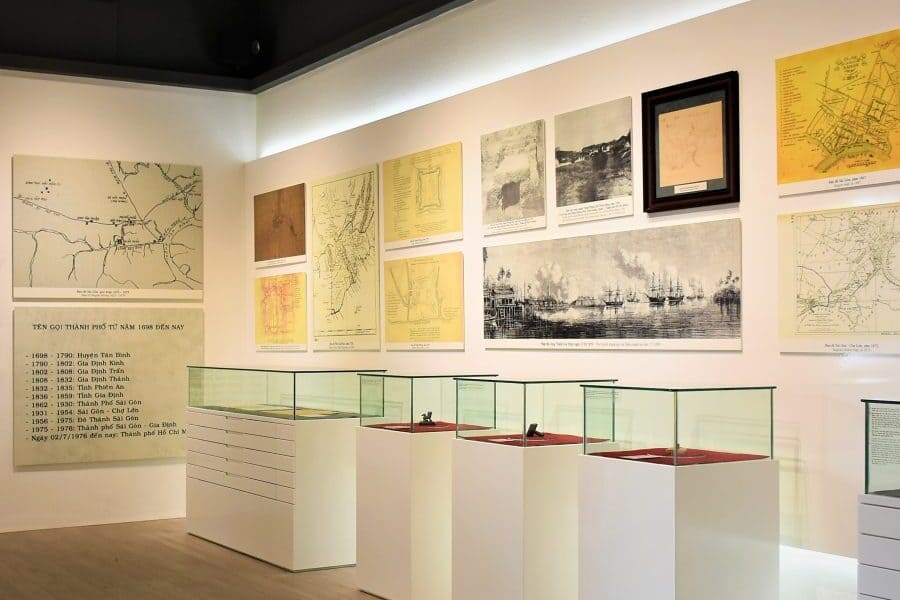
History Museum of Ho Chi Minh City Tour Guide
The Address of History Museum of Ho Chi Minh City
2 Nguyen Binh Khiem, Ben Nghe ward, District 1
Opening hour
History Museum of Ho Chi Minh City opens from Tuesday to Sunday
- Morning: 8:00 am – 11:30 am
- Afternoon: 13:00 pm – 17:00 pm

Entrance fee
The entrance fee for the museum is 30,000 VND perticket and is free for children under 6 years old and severely disabled people.
Besides, 50% discount on admission fees applies to the following cases:
- Children aged 6 to under 16.
- Students currently enrolled in schools under the Vietnamese national education system.
- Senior citizens: Vietnamese citizens aged 60 and above
- Disabled individuals.
Regulations
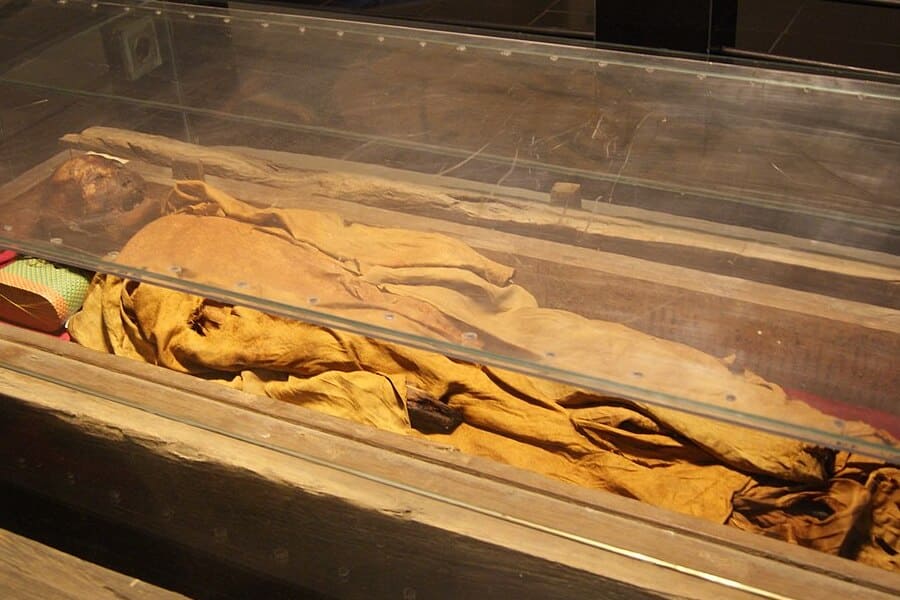
Visitors are not allowed to touch the exhibits, take photos with flash, or bring large bags into the museum.
Means of transportation to reach History Museum of Ho Chi Minh City
To reach the History Museum of Ho Chi Minh City, you have several transportation options available:
- Taxi/Grab: Taxis and ride-hailing services like Grab are widely available in Ho Chi Minh City. You can simply book a taxi or Grab ride to take you directly to the museum.
- Public Bus: Ho Chi Minh City has an extensive network of public buses that connect various parts of the city. You can check the bus routes and schedules to find a bus that stops near the museum.
- Motorbike Taxi : Motorbike taxis are a convenient and popular mode of transportation in Vietnam. You can easily hail a motorbike taxi and instruct the driver to take you to the History Museum of Ho Chi Minh City.
- Private Car: If you prefer a more comfortable and personalized transportation option, you can hire a private car or arrange for a car rental service to take you to the museum.
- Walking: Depending on your location in Ho Chi Minh City, you may also choose to walk to the museum if it is within a reasonable distance.
The History Museum of Ho Chi Minh City stands as a vibrant testament to Vietnam’s rich and diverse history. Through its engaging exhibits and immersive displays, the museum brings the past to life, offering visitors a captivating journey through centuries of Vietnamese heritage. From ancient artifacts to modern marvels, the museum serves as a cultural beacon, illuminating the stories and legacies that have shaped the nation. With each visit, history truly comes alive, leaving visitors with a deeper appreciation for Vietnam’s enduring legacy.