
Vietnam Travel Guide
Ho Chi Minh City Opera House – Bridging Past and Present in Vietnam’s Metropolis

Jul
Embark on a captivating journey through the heart of Ho Chi Minh City with a Saigon tour that unveils the timeless allure of the Ho Chi Minh City Opera House. This architectural masterpiece stands as a testament to the city’s rich heritage, seamlessly blending its French colonial past with the vibrant pulse of modern-day Vietnam.
An Overview of Ho Chi Minh City Opera House
The Ho Chi Minh City Opera House, nestled in the heart of Vietnam’s bustling metropolis, stands as a beacon of cultural heritage and architectural splendor. Originally constructed during the French colonial era in the late 19th century, this majestic landmark has evolved into a symbol of timeless elegance and artistic excellence.
Its striking façade, adorned with intricate neoclassical details, commands attention amidst the modern skyline, inviting visitors to step into a world of refined beauty and historical significance. Inside, the opulent interiors of the Opera House exude an air of grandeur, with a lavish auditorium adorned with ornate chandeliers, plush seating, and exquisite decorations.
Beyond its architectural marvels, the Opera House serves as a vibrant cultural hub, hosting a diverse array of performances ranging from opera and ballet to classical concerts and theatrical productions. With its rich history, stunning architecture, and dynamic cultural offerings, the Ho Chi Minh City Opera House stands as a testament to the enduring spirit of Vietnam’s artistic legacy.
Explore the Origins of the Opera House
Construction of the Opera House began in 1897 under the direction of French architect Eugène Ferret, during Vietnam’s time as part of French Indochina. The architectural style was inspired by the neo-Baroque style, which was prevalent in France during the late 19th century. The Opera House was completed in 1900 and served as a prominent cultural center for French colonists in Saigon.
During the French colonial period, the Saigon Opera House became a hub for entertainment and social gatherings, hosting a variety of performances including operas, plays, concerts, and balls. It was not only a venue for artistic expression but also a symbol of French cultural influence in Vietnam.
Following the end of French rule and the establishment of the Republic of Vietnam in 1955, the Opera House continued to play a significant role in the cultural life of Saigon, albeit with a shift in focus to showcase Vietnamese art and talent. Despite the tumultuous years of the Vietnam War, the Opera House remained operational, albeit with occasional interruptions due to the conflict.
Over the years, the Opera House underwent several renovations and restoration efforts to preserve its architectural integrity and historical significance. One notable renovation occurred in 1943 when the building was refurbished to repair damages caused by termite infestation. In the early 1990s, another major restoration project was undertaken to address structural issues and modernize facilities, ensuring that the Opera House remained a viable venue for cultural performances in the modern era.
Since the economic reforms of the late 20th century and the normalization of diplomatic relations with Western countries, Vietnam has experienced a cultural revival, with the Opera House reclaiming its status as a premier venue for the performing arts.
Today, it continues to host a wide range of cultural events, including opera, ballet, classical music concerts, and contemporary dance performances, attracting both local and international audiences.
The Amazing Structure of Ho Chi Minh City Opera House
The architecture of the Ho Chi Minh City Opera House is a stunning example of French neoclassical design infused with subtle Vietnamese influences, creating a unique and captivating aesthetic that reflects the cultural heritage of both nations.
Façade
The Opera House’s exterior features a striking façade characterized by its grandeur and symmetry. The building’s neoclassical elements are evident in its monumental columns, arched windows, and intricate ornamentation, reminiscent of the grand opera houses of Europe. Notable features include ornate balustrades, elaborate carvings, and a majestic pediment adorned with sculptural details.
Interior Décor
Upon entering the Opera House, visitors are greeted by an interior that exudes opulence and elegance. The spacious foyer is adorned with marble floors, gilded accents, and crystal chandeliers, creating a sense of luxury and sophistication. The lavish décor continues throughout the building, with ornate staircases, richly decorated ceilings, and plush furnishings contributing to the overall ambiance of refinement.
Auditorium
The centerpiece of the Opera House is its magnificent auditorium, which showcases a blend of classical and Baroque design elements. The horseshoe-shaped seating arrangement provides optimal acoustics and sightlines, ensuring an immersive experience for audience members. The ceiling is adorned with intricate frescoes depicting scenes from Greek mythology, while the walls feature decorative panels and moldings embellished with gold leaf.
Unique Elements
One of the most distinctive features of the Opera House is its incorporation of Vietnamese architectural motifs and materials, which add a sense of local identity and character to the design.
Cultural Significance of Ho Chi Minh City Opera House
The Ho Chi Minh City Opera House occupies a central position in the cultural landscape of Vietnam, serving as a vibrant hub for artistic expression and appreciation in Ho Chi Minh City.
Its significance lies not only in its architectural splendor but also in its role as a platform for showcasing a diverse range of cultural performances. From opera and ballet to classical music concerts and theatrical productions, the Opera House hosts an array of events that celebrate the richness and diversity of Vietnam’s cultural heritage.
As one of the premier venues for the performing arts in the country, the Opera House plays a crucial role in nurturing and promoting local talent. It provides a stage for emerging artists to showcase their skills and creativity, while also attracting renowned performers from around the world. This dynamic exchange of artistic ideas and experiences fosters a vibrant and thriving arts scene in Ho Chi Minh City, enriching the cultural fabric of the community.
Moreover, the Opera House serves as a bridge between different cultures, facilitating cultural exchange and dialogue through its diverse programming. By hosting performances from a variety of genres and traditions, it exposes audiences to new forms of artistic expression and fosters a deeper understanding and appreciation of global cultures. This cultural exchange not only broadens the horizons of local audiences but also strengthens bonds of friendship and cooperation between nations.
In addition to its role as a venue for performances, the Opera House also serves as a cultural landmark that symbolizes the enduring spirit of creativity and innovation in Vietnam. Its majestic façade and elegant interiors stand as a testament to the country’s rich artistic heritage, inspiring generations of artists and audiences alike.
Notable Performances in Ho Chi Minh City Opera House
A O Show
The term “A O” originates from “Lang Pho,” signifying the fusion of village and city life. This captivating performance captures the enchanting allure and cultural diversity of Vietnamese rural existence juxtaposed against the rapid urbanization sweeping the nation. Through a captivating blend of bamboo circus, acrobatics, dance, and theatrical visual art, the show offers a mesmerizing journey. Accompanied by live music echoing the melodies of traditional Southern Vietnamese work songs, it weaves together a rich tapestry of genres to articulate a stage language that beautifully encapsulates the essence of Vietnam’s captivating culture.
Teh Dar Show
Teh Dar beckons audiences to immerse themselves in the captivating realm of Vietnamese highlanders. Within its enchanting embrace, tales of wild animal hunts, moonlit romance, and the jungle’s whispers of death and rebirth come alive through mesmerizing performances. The show features breathtaking Vietnamese Bamboo Circus acts, daring acrobatics, and entrancing melodies from exotic tribal instruments, recognized as UNESCO-certified cultural treasures. Translating to “going in circle” in the language of the K’ho highland tribe, Teh Dar celebrates and preserves the rich tapestry of Vietnam’s diverse tribal cultures. As the artists continue to inspire, the circle of tribal life persists, ensuring the enduring legacy of these vibrant cultures.
The mist Show
The Mist narrates the tale of Southern Vietnamese agricultural existence, conveyed through a fusion of neo-classical and contemporary dance performed by adept artists. Employing rice cultivation as a poignant metaphor, it honors the unwavering dedication of farmers—from the misty dawn amidst the fields, their resilience to thrive amidst adversity, to weathering storms, culminating in the jubilant harvest like radiant pearls. A poignant journey of emotions unfolds over the hour, depicted through sensational live music, dazzling visuals, and vibrant lighting effects.
Ho Chi Minh City Opera House Tour Guide
Opening hour
The Saigon Opera House does not adhere to fixed opening hours, as access to this theater is exclusively available to the general public during scheduled events and performances.
Admission fee
Ticket prices range significantly, spanning from 200,000 to 2,000,000 VND, contingent upon factors such as the specific event, timing, and seating class.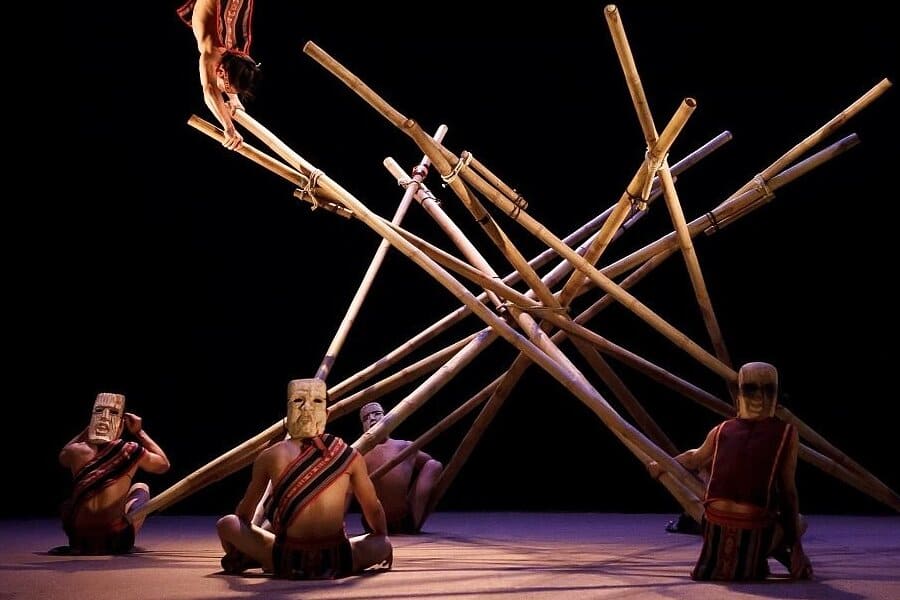
How to get to Ho Chi Minh City Opera House?
Getting to the Ho Chi Minh City Opera House is convenient due to its central location in District 1 of Ho Chi Minh City. Here are several common methods of transportation:
- Taxi or Ride-Hailing Service: Taxis and ride-hailing services like Grab are readily available throughout the city. Simply input “Ho Chi Minh City Opera House” as your destination, and the driver will take you directly to the venue.
- Public Bus: Ho Chi Minh City has an extensive bus network, and several bus routes pass by or near the Opera House. Check the bus routes and schedules to find one that suits your location and needs.
- Walking: If you’re staying in the vicinity of District 1, walking to the Opera House may be a convenient option, especially if you enjoy exploring the city on foot. It’s a scenic stroll through bustling streets and historic neighborhoods.
- Motorbike or Bicycle: Renting a motorbike or bicycle is a popular option for getting around Ho Chi Minh City. You can easily navigate through traffic and reach the Opera House at your own pace.
- Hop-On Hop-Off Bus Tour: Many tourist-friendly hop-on hop-off bus tours include the Opera House as one of their stops. Consider purchasing a ticket for a guided tour that provides transportation to various attractions, including the Opera House.
The Ho Chi Minh City Opera House stands as a timeless symbol of cultural continuity, seamlessly bridging the rich tapestry of Vietnam’s past with the vibrant pulse of its present. Through its majestic architecture, diverse performances, and central location in the heart of the metropolis, the Opera House serves as a beacon of artistic excellence and a testament to the enduring spirit of creativity and innovation.


