
Vietnam Travel Guide
Independence Palace – Also Known As Reunification Palace, A Symbol Of Vietnam’s Struggle For Independence And Sovereignty

Jul
Embark on a journey through Vietnam’s storied past with a Saigon tour that includes a visit to the iconic Independence Palace, also known as the Reunification Palace. As a symbol of Vietnam’s enduring struggle for independence and sovereignty, this historic landmark offers visitors a profound insight into the country’s tumultuous history.
An Overview of Independence Palace The History of Independence Palace Vietnam
Nestled amidst the bustling streets of Ho Chi Minh City, the Reunification Palace stands as a testament to Vietnam’s intricate history, beckoning visitors to delve into its captivating narrative.
Originally conceived as the opulent abode of the French colonial governor during the 19th century, this architectural gem has undergone profound metamorphoses over the decades. However, it was during the tumultuous Vietnam War era that the palace truly etched its mark on the pages of history, becoming the pivotal backdrop to monumental events, notably the fall of Saigon in 1975.
Today, rechristened as the Independence Palace, it serves as both a museum and a memorial, commemorating the indomitable spirit and cultural resilience of the Vietnamese people.
As visitors traverse its grand corridors, adorned with relics and testimonies of yesteryears, they are transported through time, witnessing the trials and triumphs that have sculpted Vietnam’s indelible identity. From its resplendent architectural facade to its poignant historical significance, the Independence Palace promises a multifaceted journey, illuminating the unwavering quest of Vietnam for freedom and unity.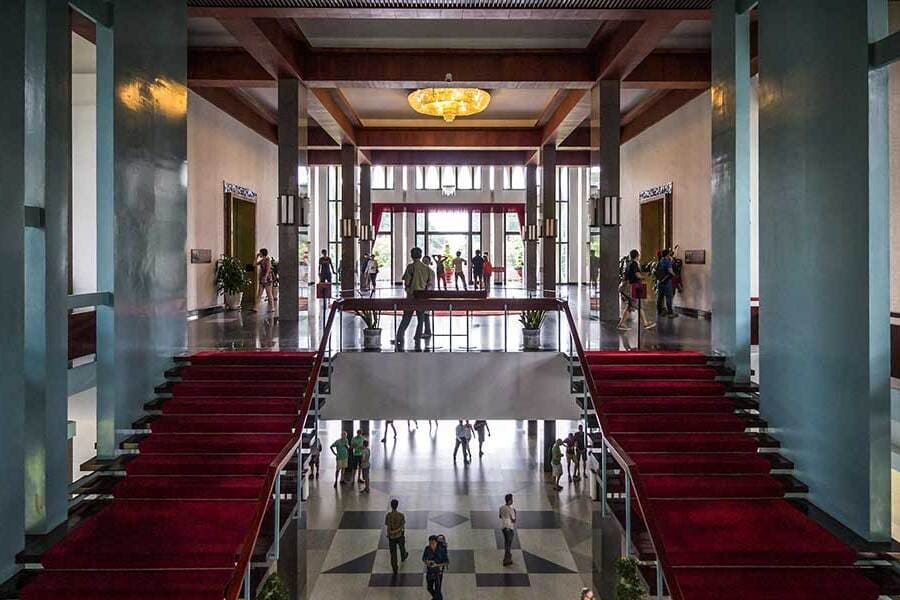
The History of Independence Palace
Erected in the latter part of the 19th century under the moniker Norodom Palace, this architectural marvel was initially designated as the official abode of the French colonial governor-general overseeing Indochina. Evolving with the colonial era’s opulence, the palace underwent substantial refurbishments and expansions to accommodate its myriad administrative roles.
Following the Geneva Accords of 1954, which partitioned Vietnam into Northern and Southern territories, the palace seamlessly transitioned into the official residence and workplace of the President of the Republic of Vietnam (South Vietnam). However, its most defining moment arrived during the tumultuous Vietnam War epoch. On the historic day of April 30, 1975, the palace bore witness to a profound transformation as the imposing gates yielded to the thundering arrival of the North Vietnamese Army’s tanks. This symbolic breach marked the denouement of the war and heralded the unification of Vietnam, prompting the palace’s renaming as the Reunification Palace.
In the aftermath of reunification, the palace underwent meticulous restoration and adaptation, metamorphosing into a revered bastion of historical and cultural heritage. While steadfastly conserving its original architectural allure, the palace underwent a metamorphosis, emerging as an inviting haven for the public. Today, it stands resplendent as the Independence Palace, beckoning visitors to embark on a profound odyssey through Vietnam’s turbulent past, offering poignant insights into the nation’s arduous quest for unity and independence.
A symbol of unwavering national pride, the Independence Palace holds court as one of Vietnam’s preeminent historical landmarks, drawing admirers from far and wide. With its majestic architecture, profound historical resonance, and enduring cultural significance, the palace serves as a poignant testament to Vietnam’s resilience in the face of adversity, captivating hearts and minds across generations.
Independence Palace’s Architecture
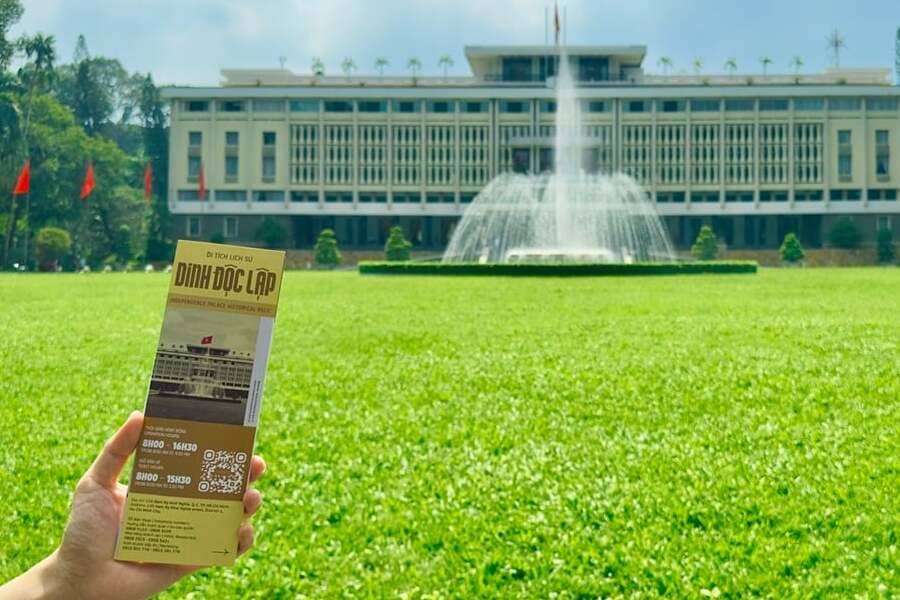
Exterior Architecture Style: The façade of the palace presents a captivating visage, defined by its crisp lines, balanced symmetry, and understated embellishments. Reflecting the prevailing French colonial architectural ethos of the late 19th century, the structure exudes an aura of refinement and grace. Large windows, arched doorways, and balconies adorned with wrought iron railings contribute to its elegant allure, imbuing the edifice with a sense of grandeur and sophistication.
Enveloping the palace is a vast expanse of meticulously landscaped grounds, boasting verdant gardens, manicured lawns, and winding pathways. These lush greenery not only serve as a picturesque backdrop to the palace but also provide a tranquil sanctuary amidst the bustling urban landscape of Saigon.
Interior Architecture Style: Stepping into the palace’s interior reveals a world of opulence and spaciousness meticulously crafted to cater to the needs of its inhabitants. The grand halls, sumptuous chambers, and reception rooms are resplendent with lavish furnishings, intricate woodwork, and ornate motifs reminiscent of the French colonial era.
Among the notable chambers is the Presidential Office, an iconic space that retains much of its original decor, including the president’s desk and ceremonial chair. Another standout feature is the Banquet Hall, where the magnificence of state banquets and official receptions unfolded amidst a backdrop of fine china and gleaming silverware.
Throughout the palace, visitors are treated to a veritable feast for the senses, as they encounter a trove of artistic masterpieces, antique treasures, and historical artifacts that offer poignant glimpses into Vietnam’s rich cultural heritage. From the resplendent reception rooms to the intimate quarters of the president, each corner of the Independence Palace resonates with an aura of sophistication and historical significance, inviting exploration and contemplation.
What to Do and See at Independence Palace?
Explore Historical Artifacts and Artworks
Embark on a captivating journey through time as you delve into the palace’s extensive collection of historical artifacts and artworks. Each piece offers a unique window into Vietnam’s vibrant past, from ancient relics to intricate sculptures, providing a fascinating glimpse into the country’s rich cultural heritage.
Experience Educational Activities
Immerse yourself in educational activities meticulously crafted to deepen your understanding of Vietnam’s history and culture. Follow knowledgeable guides on immersive tours, where they unveil the palace’s significance and unravel the events that have shaped the nation’s identity over the years.
Wander Through Grand Halls and Reception Rooms
Take a leisurely stroll through the palace’s majestic halls and luxurious reception rooms, marveling at the intricate architecture and opulent furnishings. Admire the ornate woodwork, exquisite decorations, and timeless design elements that embody the palace’s historical splendor.
Visit the Presidential Office and Banquet Hall
Enter the iconic Presidential Office, a hallowed space where pivotal decisions were made and momentous events unfolded. Behold the president’s desk, ceremonial chair, and other artifacts that offer a glimpse into the leadership of the country. Then, venture into the Banquet Hall, where grand state banquets and official receptions were held, surrounded by elegance and sophistication.
Discover the War Command Room
Delve into Vietnam’s wartime history with a visit to the War Command Room, where military strategies were devised during the tumultuous Vietnam War era. Explore the communication equipment, maps, and other artifacts that shed light on the challenges and triumphs of this pivotal period in history.
Ascend to the Rooftop Helipad
Ascend to the rooftop helipad and behold panoramic views of Ho Chi Minh City stretching before you. This vantage point, once a pivotal site during the fall of Saigon in 1975, offers a poignant reminder of the palace’s enduring historical significance against the backdrop of the city’s skyline.
Independence Palace Travel Guide for Tourists
Opening hour
Visiting hours at the Independence Palace are from Monday to Sunday
Hour of Ticket: 8:00 am – 3:30 pm
Hour of Visiting: 8:00 am – 4:30 pm
Entrance fee
- General admission tickets (includes the Exhibit and Palace)
- Adults: 65.000 vnd/person
- Vietnamese University Students: 45.000 vnd/person
- Children: 15.000 vnd/person
- Palace admission tickets
- Adults, Students: 40.000 vnd/person
- Vietnamese University Students: 20.000 vnd/person
- Children: 10.000 vnd/person
How to get to Independence Palace
- Getting to Independence Palace offers various transportation options tailored to your preferences and convenience:
- Taxi or Ride-Hailing: Opt for the ease of a taxi or ride-hailing service like Grab or Gojek, providing a direct route to Independence Palace. Simply input the palace’s address into the app or communicate your destination to the driver, ensuring a hassle-free journey.
- Public Bus: Navigate Ho Chi Minh City’s extensive public bus network to reach Independence Palace. Check online or at bus stops for routes and schedules, aiming for buses passing through Le Duan Street or Nguyen Du Street, close to the palace.
- Motorbike Taxi (Xe Om): Immerse yourself in the city’s vibrant ambiance by hailing a motorbike taxi, known as xe om. Flag one down or utilize a ride-hailing app, negotiating the fare beforehand for a smooth ride to Independence Palace.
- Walking: Experience the charm of the city on foot if you’re lodged within central Ho Chi Minh City. The palace lies within walking distance of many hotels and attractions in District 1, offering a delightful stroll through the bustling streets.
- Cycling: Embrace eco-friendly exploration by renting a bicycle and pedaling your way to Independence Palace. With Ho Chi Minh City’s expanding network of bike lanes, cycling proves a safe and enjoyable means of traversing the cityscape.
 With its rich history, majestic architecture, and pivotal role in key events, the Reunification Palace epitomizes the resilience and spirit of the Vietnamese nation. As an esteemed landmark in Ho Chi Minh City, it serves as a source of inspiration for visitors worldwide, reminding them of Vietnam’s path to unity, freedom, and a distinct national identity. The Independence Palace stands as a living testament to the country’s enduring journey, safeguarding its cultural heritage and historical legacy for future generations to cherish and learn from.


