
Vietnam Travel Guide
Ho Chi Minh Museum of Fine Arts – A Testament To The Rich Cultural Heritage And Artistic Legacy Of The Nation
Jul
Embark on a captivating journey through Vietnam’s cultural tapestry with a visit to the Ho Chi Minh Museum of Fine Arts. Nestled in the heart of Saigon, this museum stands as a testament to the nation’s rich heritage and artistic prowess. Join a Saigon local tour and delve into the vibrant narratives depicted by traditional Vietnamese paintings, sculptures, and contemporary installations. Explore the life and revolutionary contributions of Ho Chi Minh while immersing yourself in the beauty and resilience of Vietnamese artistry.
An Overview of Ho Chi Minh Museum of Fine Arts
The Ho Chi Minh Museum of Fine Arts, situated in the bustling heart of Saigon, offers visitors a captivating overview of Vietnam’s rich artistic heritage. Opened in 1987, this museum serves as a tribute to the life and revolutionary endeavors of Ho Chi Minh while also celebrating the country’s diverse cultural landscape.
Through a curated collection of traditional paintings, sculptures, ceramics, and contemporary artworks, visitors are invited to embark on a journey through Vietnam’s artistic evolution. From ancient artifacts reflecting the nation’s deep-rooted traditions to modern installations exploring contemporary themes, the museum provides a comprehensive overview of Vietnam’s artistic legacy.
With its serene ambiance and meticulously curated galleries, the Ho Chi Minh Museum of Fine Arts offers an immersive experience that showcases the beauty, resilience, and creativity of Vietnamese artistry.
The History of Ho Chi Minh Museum of Fine Arts
The history of the Ho Chi Minh Museum of Fine Arts traces back to its inception in the late 20th century. Originally established in 1987, the museum was conceived as a space to honor the legacy of Ho Chi Minh, the iconic leader of Vietnam’s struggle for independence. However, it soon evolved beyond a mere homage to Ho Chi Minh, expanding its focus to encompass a broader celebration of Vietnamese art and culture.
Throughout its development, the museum underwent several transformations, both in terms of its physical space and its thematic scope. Over the years, the museum curated an extensive collection of artworks, ranging from traditional Vietnamese paintings and sculptures to contemporary installations. These acquisitions not only reflected Vietnam’s artistic heritage but also highlighted its cultural diversity and societal transformations.
As Vietnam embraced economic reforms and opened up to the world, the museum adapted to changing times, incorporating new perspectives and artistic trends into its exhibits. Today, the Ho Chi Minh Museum of Fine Arts stands as a dynamic cultural institution, offering visitors a multifaceted exploration of Vietnam’s artistic evolution. With its ongoing commitment to preserving heritage and inspiring creativity, the museum continues to play a vital role in promoting appreciation for Vietnamese art and culture, both domestically and internationally.
Architectural and Design Features of Ho Chi Minh Museum of Fine Arts
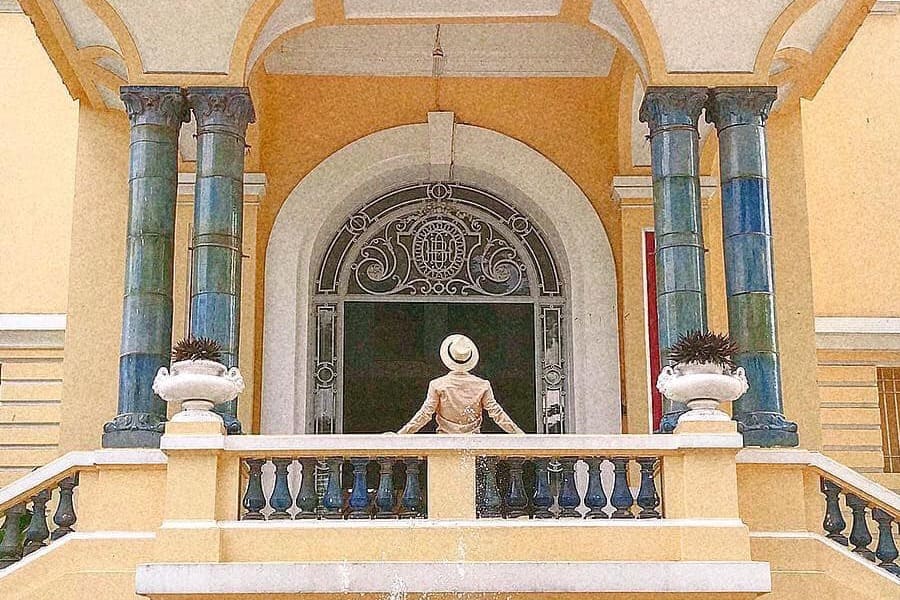
The Architectural style of Ho Chi Minh Museum of Fine Arts
The architectural style of the Ho Chi Minh Museum of Fine Arts in Saigon reflects a harmonious blend of traditional Vietnamese design elements with modern aesthetics. The museum building itself is a striking example of contemporary architecture, featuring clean lines, geometric shapes, and spacious interiors.
One notable aspect of the museum’s design is its incorporation of traditional Vietnamese architectural motifs, such as sloping roofs, wooden beams, and intricately carved details. These elements pay homage to Vietnam’s rich cultural heritage while adding a sense of authenticity and charm to the modern structure.
The Exterior of Ho Chi Minh Museum of Fine Arts
The exterior of the museum is characterized by its sleek façade, adorned with large windows that allow ample natural light to illuminate the interior spaces. This design feature not only enhances the aesthetic appeal of the building but also creates a welcoming and inviting atmosphere for visitors.
The Interior of Ho Chi Minh Museum of Fine Arts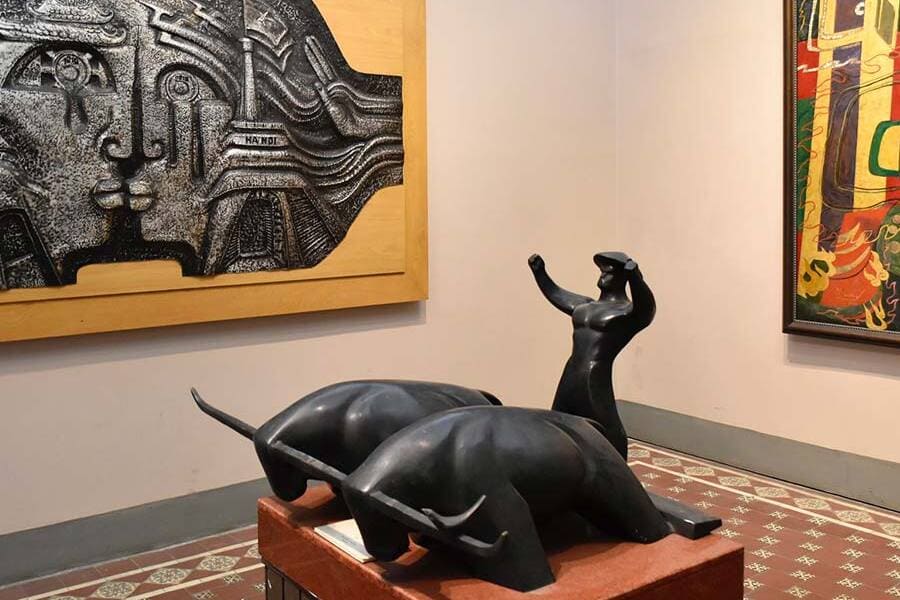
Inside, the museum’s layout is thoughtfully organized, with spacious galleries and exhibition halls that showcase the artworks in a visually engaging manner. The use of light and space is carefully considered, creating an immersive experience that encourages contemplation and reflection.
Throughout the museum, visitors will encounter unique design elements that add to the overall ambiance and functionality of the space. From tranquil courtyards and lush gardens to modern amenities and interactive exhibits, every aspect of the museum’s design is meticulously crafted to enhance the visitor experience.
Significant Collections and Exhibitions in Ho Chi Minh Museum of Fine Arts
The Ho Chi Minh Museum of Fine Arts in Saigon boasts a diverse and significant collection of artworks that offer visitors a comprehensive look into Vietnam’s artistic heritage.
Traditional Vietnamese Paintings
The museum features a rich array of traditional Vietnamese paintings dating back centuries, including works from various artistic movements and regional styles. These paintings often depict scenes from daily life, landscapes, mythology, and historical events, offering insights into Vietnam’s cultural and artistic traditions.
Sculptures and Ceramics:
Visitors can admire a variety of sculptures and ceramics that highlight the craftsmanship and artistic techniques of Vietnamese artisans. From intricately carved wooden sculptures to finely crafted pottery and porcelain, these artworks showcase the skill and creativity of Vietnam’s sculptors and ceramicists.
Contemporary Art Installations:
The museum also hosts exhibitions of contemporary art, showcasing the works of modern Vietnamese artists exploring a wide range of themes and styles. These installations often reflect contemporary issues, social commentary, and experimental approaches to art, providing a glimpse into Vietnam’s vibrant contemporary art scene.
Ho Chi Minh Memorabilia:
As a tribute to the museum’s namesake, visitors can explore exhibitions featuring memorabilia related to Ho Chi Minh, including photographs, documents, personal belongings, and artistic representations. These exhibits offer insights into the life, leadership, and legacy of Ho Chi Minh, providing a deeper understanding of his contributions to Vietnam’s history and culture.
Ho Chi Minh Museum of Fine Arts Tour Guide
Opening hour
From 8am to 5pm every day of the week
Entrance fee
Adults: 30,000 VND/ticket
Students: 15,000 VND/ticket
Free for children under 6 years old and adults over 60 years old.
How to Get to Ho Chi Minh Museum of Fine Arts
- Taxi or Ride-Hailing: Taking a taxi or using a ride-hailing service like Grab or Gojek is a convenient way to reach the museum. Simply input the museum’s address into the app or tell the driver you’re heading to the Ho Chi Minh Museum of Fine Arts, and they’ll take you directly there.
- Public Bus: Saigon has an extensive public bus network that serves various parts of the city. You can check the routes and schedules online or at bus stops to find a bus that stops near the museum. Once you’re on the bus, keep an eye out for the museum’s location and disembark at the nearest bus stop.
- Motorbike Taxi (Xe Om): Motorbike taxis, known as xe om, are a popular mode of transportation in Saigon. You can hail one from the street or use a ride-hailing app to book a motorbike taxi to take you to the museum. Make sure to negotiate the fare before starting your journey.
- Walking: If you’re staying within the central area of Saigon, consider walking to the museum if it’s feasible. This allows you to soak in the city’s atmosphere and explore the surrounding streets and neighborhoods along the way.
- Cycling: For those who enjoy cycling, renting a bicycle and pedaling to the museum can be a fun and eco-friendly option. Saigon has a growing network of bike lanes, making it relatively safe to navigate the city by bicycle.
Through its extensive collection of traditional and contemporary artworks, the Ho Chi Minh Museum of Fine Arts offers a profound insight into the nation’s history, traditions, and societal transformations. From the intricate beauty of ancient artifacts to the bold statements of modern art, each exhibit reflects Vietnam’s enduring spirit of creativity and resilience. As a vital cultural institution in Saigon, the Ho Chi Minh Museum of Fine Arts continues to inspire visitors from around the world, fostering appreciation for Vietnamese art and culture and preserving its heritage for generations to come.


