
Vietnam Travel Guide
Vietnam National Anthem – Symbol of Unity and Pride

May
Vietnam’s national anthem, like in many nations, holds a special place in the hearts of its people. It serves as a rallying cry, a reminder of the nation’s struggles, and a symbol of unity and pride. In this article, we’ll explore the significance of Vietnam’s national anthem, its composer, lyrics, and how to show appreciation for this cherished piece of music.
What is Vietnam’s National Anthem Name? Who Composed It?
The national anthem of Vietnam, known as “Tiến Quân Ca” in Vietnamese, carries a profound historical significance deeply rooted in the nation’s struggle for independence.
Vietnam National Anthem was composed by the esteemed Vietnamese musician Văn Cao in 1944, amidst the fervor of the August Revolution against French colonial rule, this anthem emerged as a powerful emblem of defiance and national pride.
Văn Cao composer, renowned for his musical prowess and unwavering patriotism, infused the anthem with stirring melodies and evocative lyrics that captured the spirit of the Vietnamese people’s relentless quest for freedom. Today, his composition stands as a testament to the enduring legacy of Vietnam’s struggle for sovereignty and the indomitable spirit of its people.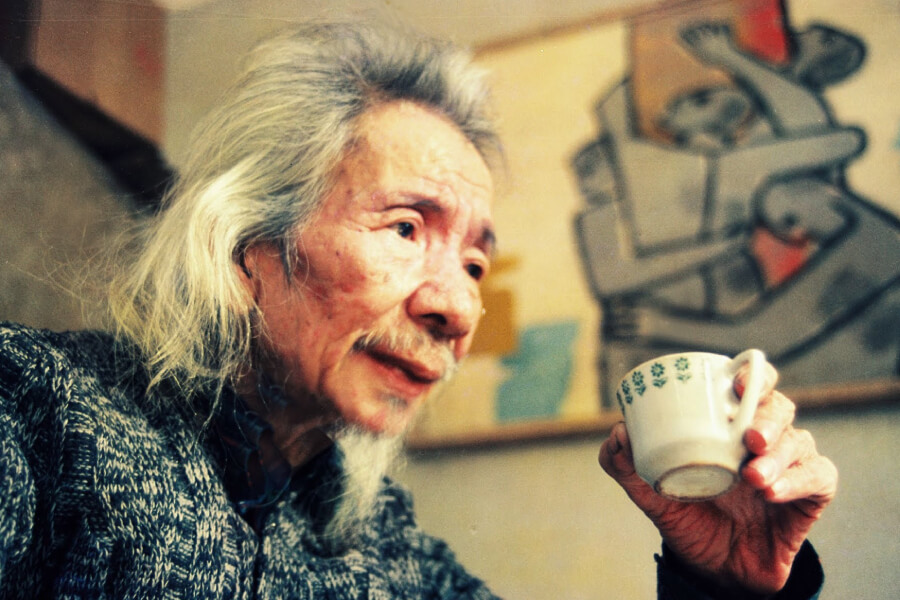
Vietnam National Anthem Lyric
Vietnam’s National Anthem in Vietnamese
First part:
Đoàn quân Việt Nam đi
Chung lòng cứu quốc,
Bước chân dồn vang trên đường gập ghềnh xa,
Cờ in máu chiến thắng mang hồn nước,
Súng ngoài xa chen khúc quân hành ca,
Đường vinh quang xây xác quân thù,
Thắng gian lao cùng nhau lập chiến khu,
Vì nhân dân chiến đấu không ngừng,
Tiến mau ra sa trường.
Tiến lên! Cùng tiến lên!
Nước non Việt Nam ta vững bền.
Second part:
Đoàn Quân Việt Nam đi
Sao vàng phấp phới
Dắt giống nòi quê hương qua nơi lầm than
Cùng chung sức phấn đấu xây đời mới
Đứng đều lên gông xích ta đập tan
Từ bao lâu ta nuốt căm hờn
Quyết hy sinh đời ta tươi thắm hơn
Vì nhân dân chiến đấu không ngừng
Tiến mau ra sa trường
Tiến lên! Cùng tiến lên!
Nước non Việt Nam ta vững bền.
Vietnam’s National Anthem in English
Here is the rough translation of Vietnam’s national anthem:
First part:
Soldiers of Vietnam, we move forward,
With the singular will to save our fatherland.
Our hurried steps echo on the long and arduous road,
Our flag, stained red with the blood of victory, carries the spirit of our country.
The distant rumbling of the guns blends with our marching song.
The path to glory traverses the bodies of our foes.
Overcoming all hardships, together we construct our resistance bases.
Ceaselessly, for the people’s cause, we strive,
Hastening to the battlefield!
Forward! Advancing all together!
Our Vietnam is eternally strong.
Second part:
Soldiers of Vietnam, we move forward,
The gold star of our flag fluttering in the wind,
Leading our people, our native land, out of misery and suffering.
Let us unite our efforts in the fight for the building of a new life.
Let us rise and break our chains.
For too long, we have swallowed our hatred.
Let us be prepared for all sacrifices, and our life will be radiant.
Ceaselessly, for the people’s cause, we strive,
Hastening to the battlefield!
Forward! Advancing all together!
Our Vietnam is eternally strong.
Significance of Vietnam’s National Anthem to The Country
Vietnam’s national anthem, “Tiến Quân Ca,” is more than just a piece of music; it is a poignant reflection of the nation’s tumultuous journey towards freedom and self-determination. Through its evocative lyrics and stirring melodies, the anthem encapsulates the resilience, patriotism, and unwavering determination of the Vietnamese people.
Each note resonates with the echoes of past struggles and sacrifices endured in the pursuit of independence and sovereignty. The anthem serves as a solemn reminder of the indomitable spirit that courses through the veins of every Vietnamese citizen. It unites people from all walks of life, transcending differences in language, ethnicity, and ideology, to rally behind a common cause.
In moments of celebration, commemoration, or adversity, the anthem stands as a symbol of national identity and pride, instilling a sense of belonging and solidarity among the populace. Indeed, “Tiến Quân Ca” is not merely a song; it is a living testament to the enduring spirit of the Vietnamese people and their unyielding resolve to chart their own destiny.
How to Show Appreciation for Vietnam’s National Anthem?
When traveling to Vietnam, expressing admiration for the Vietnamese national anthem is a gesture of respect towards the nation and its rich cultural heritage. Here are a few meaningful ways to convey your appreciation:
1. Stand and observe: Whenever the national anthem is played, stand quietly and respectfully. This simple act demonstrates reverence for the anthem and its significance to the Vietnamese people.
2. Learn the lyrics: Take the time to learn the lyrics of “Tiến Quân Ca” and understand their meaning. By familiarizing yourself with the anthem, you show a genuine interest in Vietnamese culture and history.
3. Participate in ceremonies: If you have the opportunity to attend a national event or ceremony where the anthem is performed, join in singing along. Your participation honors the anthem and reflects your appreciation for Vietnam’s traditions.
4. Express gratitude: If given the chance, express your gratitude to the locals for sharing their cultural heritage with you. Let them know that you value and respect their national anthem and traditions.
Vietnam’s national anthem, “Tiến Quân Ca,” is not just a piece of music but a symbol of national identity and unity. By understanding its history, lyrics, and significance, we can all appreciate and honor this cherished anthem as a testament to the resilience and spirit of the Vietnamese people.


