Vietnam Travel Guide
O Quy Ho Pass – Guide to One of the Most Magnificent Passes in Vietnam

Jun
Vietnam is not only famous for its long and unique culture but also famous for its scenic spots. One of them is O Quy Ho Pass.
O Quy Ho Pass is a stunning mountain pass located in the Hoang Lien Son mountain range, northwest Vietnam. It is known for its breathtaking scenery, challenging roads, and rich cultural history.
Overview of O Quy Ho Pass
Location
The pass stretches for about 50 kilometers on National Highway 4D, winding through Tam Duong district, Lai Chau province, and a small section in Sa Pa district, Lao Cai province. It’s roughly 10 kilometers from Sapa town and 60 kilometers from Lai Chau city.
Scenic Beauty
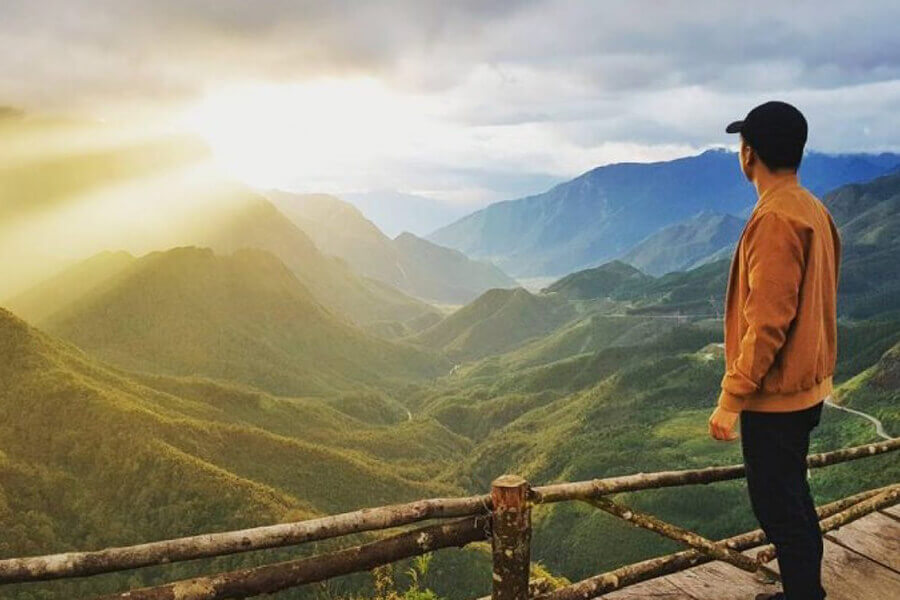
O Quy Ho Pass is a paradise for nature lovers. As you navigate the winding roads, you’ll be rewarded with panoramic views of lush green valleys, towering mountains, and cascading waterfalls. The scenery changes dramatically with elevation, offering a diverse landscape throughout the journey.
Challenges and Thrills
O Quy Ho pass is known for its challenging terrain. It features 14 hairpin turns and steep slopes, making it a favorite route for experienced motorbike riders and cyclists. Drivers should be cautious and aware of potential hazards, especially during foggy or rainy conditions.
Whether
O Quy Ho Pass experiences a cool climate year-round with distinct seasonal variations. The summer months (May to September) are mild with occasional rain, while the winter months (November to February) can get chilly with occasional frost. The best time to visit the pass is during spring (March to April) or autumn (October to November) when the weather is pleasant and the scenery is at its most vibrant.
What is the best time to travel to O Quy Ho Pass?
The best time to travel to O Quy Ho Pass in Vietnam depends on what kind of weather and scenery you prefer. Here’s a breakdown of the seasons:
Spring (March to April)
This is widely considered the best time to visit O Quy Ho Pass. The weather is pleasant and warm, with average temperatures ranging from 18°C (64°F) to 25°C (77°F). The skies are clear, offering stunning views of the surrounding mountains
Summer (May to September):
The summer months bring occasional rain showers, but they tend to be brief and refreshing. The temperatures are warmer, ranging from 25°C (77°F) to 30°C (86°F). The lush green landscape is at its most vibrant during this time.
Autumn (October to November)
Autumn is another good time to visit O Quy Ho Pass. The weather is dry and sunny, with temperatures ranging from 18°C (64°F) to 23°C (73°F). The landscape takes on a beautiful golden hue as the leaves begin to change color.
Winter (December to February)
The winter months are the coldest in O Quy Ho Pass, with temperatures dropping as low as 5°C (41°F) at night. There can even be occasional frost. Foggy conditions are also more common during this time, which can limit visibility on the road. However, if you’re looking for a unique and challenging experience, winter can be a good time to visit for the dramatic scenery.
How to get to O Quy Ho Pass?
There are two main ways to get to O Quy Ho Pass in Vietnam, depending on your starting point:
From Sapa Town:
Sapa, a popular tourist destination known for its stunning rice terraces, is the most common starting point for reaching O Quy Ho Pass. The distance from Sapa town to the pass is approximately 15 kilometers. Here are the options:
By motorbike: This is the most popular option for adventurous travelers. The winding roads and scenic views make for a thrilling ride. Renting a motorbike in Sapa is easy and affordable. However, be aware that riding a motorbike in Vietnam requires caution and experience, especially on mountainous roads. Make sure you have a valid motorbike license and are comfortable riding in challenging conditions.
By taxi: Taxis are readily available in Sapa, and you can negotiate a fare with the driver to take you to O Quy Ho Pass. This is a convenient option if you don’t want to ride a motorbike.
By private car: If you’re traveling with a group or have a lot of luggage, you can hire a private car with a driver to take you to O Quy Ho Pass. This is the most comfortable option, but also the most expensive.
From Lai Chau City:
Lai Chau City is the capital of Lai Chau Province and is located about 60 kilometers from O Quy Ho Pass. This route is less traveled by tourists but offers a different perspective of the mountains. Here are your options:
By bus: There are local buses that run from Lai Chau City to Tam Duong District, which passes by O Quy Ho Pass. This is the most budget-friendly option, but it can be slow and crowded.
By motorbike: Similar to Sapa, renting a motorbike in Lai Chau allows for a more adventurous journey to O Quy Ho Pass.
By private car: Hiring a private car with a driver from Lai Chau City is a comfortable way to reach the pass.
Things that need to be prepared when traveling to O Quy Ho Pass
Here’s what you need to prepare for your trip to O Quy Ho Pass in Vietnam, considering different aspects.
Essentials to travel to O Quy Ho Pass
Clothing and footwear: Pack comfortable clothing suitable for the weather. Opt for long pants, breathable shirts, and quick-drying materials. Bring a jacket for higher elevations, especially during winter. Sturdy shoes with good grip are essential for navigating uneven terrain.
Sunscreen, sunglasses, and hat: Protect yourself from the sun’s rays, especially during the summer months.
Water bottle: Stay hydrated, especially if you plan on physical activities. Bring a reusable water bottle to minimize plastic waste.
Camera: Capture the breathtaking scenery of the pass.
Cash: While some tourist spots might accept cards, carrying cash is recommended for smaller shops and local vendors.
Transportation
Motorbike: If you plan to rent a motorbike, ensure you have a valid international motorbike license and feel comfortable riding in challenging mountain conditions. Wear a helmet at all times.
Car: Consider car rentals if traveling with a group or have significant luggage.
Documents and Permits
Passport and visa (if required): Check Vietnam’s visa requirements for your nationality.
Travel insurance: Consider travel insurance for unexpected situations.
Other optional things but helpful
Navigation tools: Download offline maps or consider a GPS device, as phone reception may be limited in some areas.
First-aid kit: Pack basic medical supplies for minor injuries.
Snacks: Carry some energy bars or snacks for the journey, especially if traveling for extended periods.
Translator app: A translation app can be helpful for communicating with locals, especially in remote areas.
Vietnamese Dong (VND): While some places might accept USD, having some local currency is convenient.
Seasonal Considerations
Spring (March to April): Pack light rain gear in case of occasional showers.
Summer (May to September): Consider an umbrella or raincoat for sudden downpours.
Autumn (October to November): Enjoy the pleasant weather; light layers might be sufficient.
Winter (December to February): Pack warm clothes for the colder temperatures, including gloves and a beanie. Be aware of potential foggy conditions that may affect visibility.
Remember
Respect the local environment: Practice responsible tourism by minimizing waste and respecting local customs.
Be aware of safety: The roads can be challenging. Ride or drive cautiously, and be mindful of weather conditions.
Enjoy the experience: O Quy Ho Pass offers stunning scenery and a unique cultural experience. Relax, explore, and create lasting memories!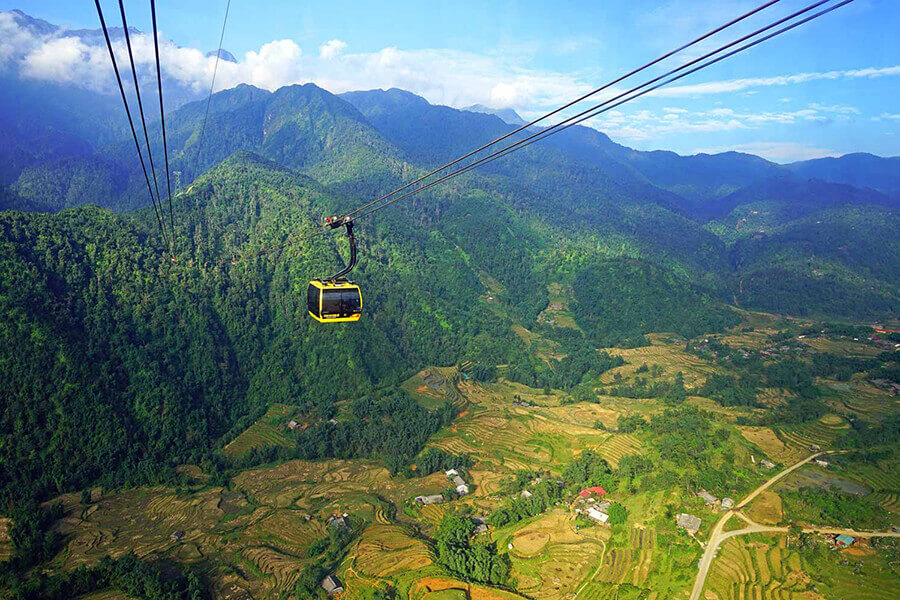
What to do in O Quy Ho Pass?
O Quy Ho Pass in Vietnam offers a variety of activities for visitors to enjoy, catering to different interests. Here are some options to consider:
For the Adventurous
Motorbike or Cycling Tour: Conquer the winding roads and steep climbs of the pass. This is a popular choice for thrill-seekers who want to experience the breathtaking scenery firsthand. Be sure to have the proper experience and licensing if riding a motorbike.
Hiking and Trekking: Explore the surrounding mountains and forests. You’ll encounter diverse flora and fauna, with opportunities for stunning viewpoints and immersing yourself in nature.
For the Culture Enthusiast:
Visit Local Hmong Villages: Learn about the rich cultural traditions of the Hmong people, an ethnic minority group residing in the region. You might witness traditional clothing, handicrafts, and ways of life.
Explore Historical Sites: Learn about the local legends and stories associated with the pass, like the tragic love story reflected in the name “O Quy Ho” (ghost’s cry).
For the Leisurely Traveler:
Scenic Drives: Enjoy the panoramic views of the valleys, mountains, and waterfalls from the comfort of a car or motorbike (driven by someone else!). Relax and take in the beauty of the landscape.
Photographic Adventures: Capture the stunning scenery, unique features of the pass, and local life with your camera.
Enjoy Local Cuisine: Sample traditional Vietnamese dishes or regional specialties at restaurants or food stalls near the pass.
Additional Activities:
Visit the Heaven’s Gate: A viewpoint offering breathtaking panoramas of the surrounding mountains.
Walk on the Rong May Glass Bridge (if available): Test your courage on a glass-bottomed bridge, though its availability might vary.
Shop for Souvenirs: Find unique keepsakes and local handicrafts from vendors near the pass.
Tips:
Plan your activities based on your interests and fitness level.
Check weather conditions before heading out, especially for hiking or biking adventures.
Be respectful of the local environment and culture.
Bargain politely when shopping at souvenir stalls.
Beautiful scenes at O Quy Ho pass
O Quy Ho Pass in Vietnam boasts a plethora of beautiful scenes that will leave you awestruck. Here are some of the most stunning ones:
Panoramic Mountain Views: The pass winds through majestic mountains, offering breathtaking vistas at every turn. Imagine lush green valleys and towering peaks stretching as far as the eye can see.
Cascading Waterfalls: Keep an eye out for cascading waterfalls along the road, especially during the rainy season. The sound of rushing water adds to the serene ambiance of the pass.
Terraced Fields: If you visit during the growing season, you’ll be treated to a visual spectacle of terraced rice fields carpeting the hillsides. The vibrant green hues create a picturesque landscape.
Heaven’s Gate: A popular viewpoint located at the pass summit offers panoramic views of the Hoang Lien Son mountain range. Often shrouded in mist, it creates an air of mystery and tranquility.
Unique Roadside Scenery: The road itself is a sight to behold, with its winding curves and steep inclines. Lush vegetation flanks the road, and colorful wildflowers might be in bloom depending on the season.
Local Villages: Dotted along the route are traditional Hmong villages. The colorful houses and unique architecture add a touch of cultural charm to the landscape. Consider stopping by to learn about the local way of life.
These are just a few of the many beautiful scenes you can expect to encounter at O Quy Ho Pass. Every twist and turn of the road unveils a new visual masterpiece, making it a truly unforgettable destination.
General Tips when traveling to O Quy Ho Pass
Here are some típ for visitors to O Quy Ho Pass:
No matter which route you choose, be sure to check the weather conditions before you go. Foggy or rainy weather can make the roads dangerous.
The roads on O Quy Ho Pass are winding and steep. Drive slowly and carefully, and be aware of your surroundings.
Wear comfortable clothing and shoes suitable for walking or hiking.
Bring a jacket, as the temperature can drop significantly at higher elevations, especially during winter.
Pack sunscreen, sunglasses, and a hat to protect yourself from the sun.
Bring plenty of water to stay hydrated, especially if you’re planning on doing any hiking or trekking.