
Vietnam Travel Guide
Nha Rong Harbour – A Symbol of Vietnam’s Colonial and Revolutionary History

Jul
Nha Rong Harbour, an iconic landmark in Ho Chi Minh City, holds a profound place in Vietnam’s history. Situated along the banks of the Saigon River, this historic port is a must-visit destination. Whether you’re a history enthusiast or a curious traveler, a saigon local tour to Nha Rong Harbour provides a captivating insight into Vietnam’s rich cultural and historical tapestry.
An Overview of Nha Rong Harbour in Ho Chi Minh City
Nha Rong Harbour, also known as Dragon House Wharf, is one of the most historically significant landmarks in Ho Chi Minh City. Located on the banks of the Saigon River, the harbour was established in 1863 by the French during their colonial rule.
The name “Nha Rong,” which translates to “Dragon House,” originates from the two dragon-shaped symbols that adorn the roof of the main building. Initially constructed as the headquarters of the Messageries Maritimes, a French shipping company, the harbour quickly became a pivotal maritime hub, facilitating trade and communication between Vietnam and the rest of the world.
The significance of Nha Rong Harbour extends beyond its architectural beauty and colonial heritage. It is famously known as the departure point of President Ho Chi Minh, then known as Nguyen Tat Thanh, when he left Vietnam in 1911 to seek ways to liberate his homeland from colonial oppression. This event marked the beginning of his 30-year journey, during which he gained the knowledge and experience that would later fuel Vietnam’s struggle for independence.
Today, Nha Rong Harbour houses the Ho Chi Minh Museum, where visitors can explore exhibits that chronicle the life and contributions of this national hero. The museum also features artifacts, photographs, and documents that provide a window into Vietnam’s revolutionary history.
The History and Historical Significance of Nha Rong Harbour
Established in 1863, Nha Rong Harbour was built by the French colonial administration to serve as the headquarters of the Messageries Maritimes, a prominent French shipping company responsible for postal and maritime services between France and its colonies. During the colonial period, Nha Rong Harbour was a bustling maritime hub, playing a crucial role in the transportation of goods and people between Vietnam and the broader world. Its strategic location on the banks of the Saigon River made it an essential point for the export of Vietnamese goods such as rice, rubber, and other agricultural products, as well as the import of French and European goods.
Nha Rong Harbour is perhaps most famously associated with a significant event in Vietnamese history: the departure of Nguyen Tat Thanh, who later became known as Ho Chi Minh. On June 5, 1911, a young Ho Chi Minh left Vietnam from Nha Rong Harbour aboard the French ship Admiral Latouche-Tréville. This journey marked the beginning of his 30-year quest for national liberation. Ho Chi Minh traveled extensively, gaining knowledge and experience from various countries and revolutionary movements, which he later utilized in leading Vietnam’s struggle for independence from French colonial rule. This departure from Nha Rong Harbour has imbued the site with profound historical significance, symbolizing the beginning of Vietnam’s fight for sovereignty.
After Vietnam achieved independence, Nha Rong Harbour continued to hold a place of importance in the national consciousness. In 1975, following the reunification of Vietnam, the harbour was converted into a museum dedicated to Ho Chi Minh. The Ho Chi Minh Museum at Nha Rong Harbour houses a vast collection of artifacts, photographs, and documents that chronicle the life and legacy of Ho Chi Minh, as well as the broader historical context of Vietnam’s revolutionary history. The museum serves as a place of education and remembrance, offering visitors a deep insight into the events that shaped modern Vietnam.
The Outstanding Architecture of Nha Rong Harbour
The main building of Nha Rong Harbour showcases the grandeur and elegance characteristic of French colonial architecture. Its façade features symmetrical lines, ornate details, and large windows, all hallmarks of the French architectural style prevalent during that era.
What truly sets Nha Rong Harbour apart, however, is its incorporation of traditional Vietnamese architectural motifs. The most distinctive feature of the building is its roof, adorned with two intricately carved dragons facing the moon, a symbol of power, protection, and prosperity in Vietnamese culture. These dragon sculptures give the harbour its name, “Nha Rong,” which translates to “Dragon House.”
This fusion of Western and Eastern architectural styles not only creates a visually captivating structure but also represents the cultural interplay between the colonizers and the local traditions.
The interior of Nha Rong Harbour further highlights this architectural synthesis. High ceilings and spacious rooms reflect the French emphasis on openness and light, while decorative elements, such as traditional Vietnamese woodwork and motifs, add a local touch. The building’s layout, designed to accommodate administrative functions, includes large halls and offices that now serve as exhibition spaces for the Ho Chi Minh Museum.
What to Do and See in Nha Rong Harbour?
Explore Ho Chi Minh Museum
The main attraction at Nha Rong Harbour is the Ho Chi Minh Museum. This museum offers an extensive collection of artifacts, photographs, and documents that detail the life and legacy of President Ho Chi Minh. Visitors can explore various exhibits that chronicle his early life, his travels, and his pivotal role in Vietnam’s struggle for independence. The museum provides a comprehensive overview of Ho Chi Minh’s impact on Vietnam, making it a must-visit for history enthusiasts.
Scenic Views
Situated along the banks of the Saigon River, Nha Rong Harbour provides stunning views of the water and the surrounding cityscape. Visitors can take a leisurely stroll along the waterfront, enjoying the serene ambiance and the picturesque scenery. The harbour’s location makes it an ideal spot for photography, especially during sunrise or sunset when the light beautifully illuminates the historic building and the river.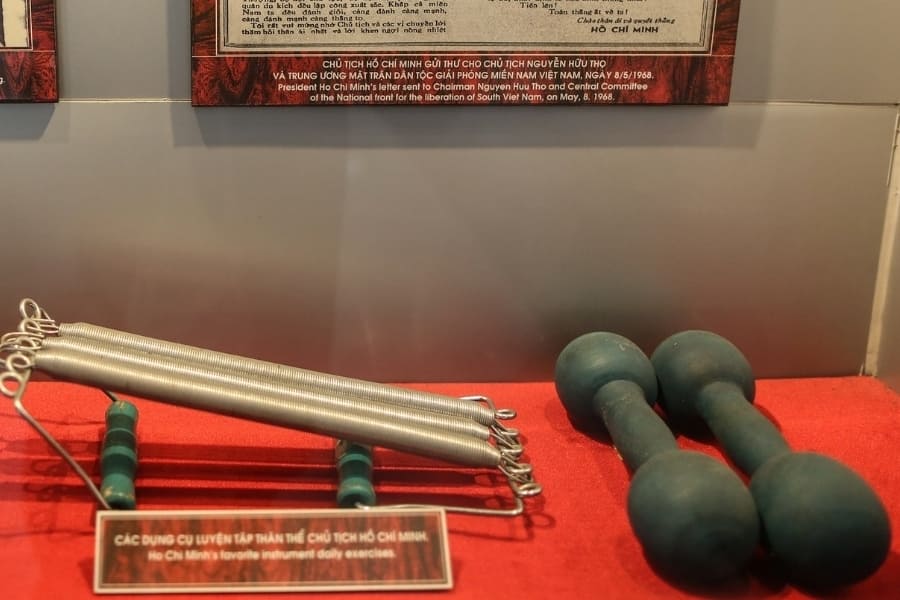
Participate in Educational Programs
The museum often hosts educational programs and guided tours that delve into different aspects of Vietnam’s history and culture. These programs can be particularly enriching for students, researchers, and anyone interested in gaining a more in-depth knowledge of the topics covered in the museum.
Practical Information about Nha Rong Harbour
The Location of Nha Rong Harbour
01 Nguyễn Tất Thành Street, District 4, Ho Chi Minh City
Opening Hours
Nha Rong Harbour opens from Tuesday to Sunday: 7:30 AM – 11:30 AM; 1:30 PM – 5:30 PM
Ticket price
20.000 VND/person
How to get to Nha Rong Harbour?
By Taxi or Ride-Hailing Services: Taxis and ride- hailing services are widely available in Ho Chi Minh City. You can book a car or a motorbike ride directly to Nha Rong Harbour. Just enter “Nha Rong Harbour” or “Ho Chi Minh Museum” as your destination in the app.
By Bus: Ho Chi Minh City has an extensive bus network. Several bus routes pass near Nha Rong Harbour. You can use Google Maps or the BusMap app to find the best bus route from your location. Some common bus routes that go near Nha Rong Harbour include:
- Bus 01: Ben Thanh – Binh Tay
- Bus 02: Ben Thanh – Mien Tay
By Motorbike or Bicycle: If you prefer to explore the city on your own, renting a motorbike or bicycle is a popular option. Many rental shops are available throughout the city, and this mode of transport offers flexibility and convenience.
By Boat: Although less common, some tour operators offer boat trips along the Saigon River, which can include stops at various attractions, including Nha Rong Harbour. This can be a scenic and unique way to reach the harbour.
Attractions near Nha Rong Harbour for Tourists to Explore
Ben Thanh Market
Location: Approximately 2 km from Nha Rong Harbour.
Ben Thanh Market is one of Ho Chi Minh City’s most famous and bustling marketplaces. It offers a wide array of goods, from fresh produce and local delicacies to souvenirs, clothing, and handicrafts. It’s an excellent place to experience local culture and do some shopping.
Bitexco Financial Tower and Skydeck:
Location: Approximately 1.5 km from Nha Rong Harbour.
This 68-story skyscraper offers a modern contrast to the historic buildings of Ho Chi Minh City. The Saigon Skydeck on the 49th floor provides panoramic views of the city. There are also dining and shopping options within the tower.
Bui Vien Street (Backpacker Street):
Location: About 2.5 km from Nha Rong Harbour.
Bui Vien Street is the heart of the city’s backpacker area, known for its vibrant nightlife, street food, bars, and restaurants. It’s a great place to experience the energetic atmosphere of Ho Chi Minh City.
Ho Chi Minh City Museum of Fine Arts:
Location: Around 2 km from Nha Rong Harbour.
Housed in a beautiful colonial building, this museum showcases a wide range of Vietnamese art, including contemporary works, traditional paintings, and sculptures. It’s a great spot to appreciate Vietnam’s rich artistic heritage.
Museum of Ho Chi Minh City:
Location: Approximately 2.5 km from Nha Rong Harbour.
This museum is set in a French colonial building and covers the history, culture, and development of Ho Chi Minh City. Exhibits include archaeological finds, historical artifacts, and displays on the city’s growth.
Nha Rong Harbour stands as a beacon of Vietnam’s rich historical and cultural heritage, seamlessly blending the architectural elegance of the French colonial era with the profound significance of its revolutionary past. As the departure point of President Ho Chi Minh on his journey towards national liberation, it holds a special place in the hearts of the Vietnamese people. Today, Nha Rong Harbour, with its captivating museum and picturesque riverside location, continues to draw visitors from around the world, offering a unique window into the history and spirit of Ho Chi Minh City. Whether you’re a history enthusiast, architecture lover, or a curious traveler, Nha Rong Harbour is a must-visit destination that encapsulates the essence of Vietnam’s enduring legacy.


